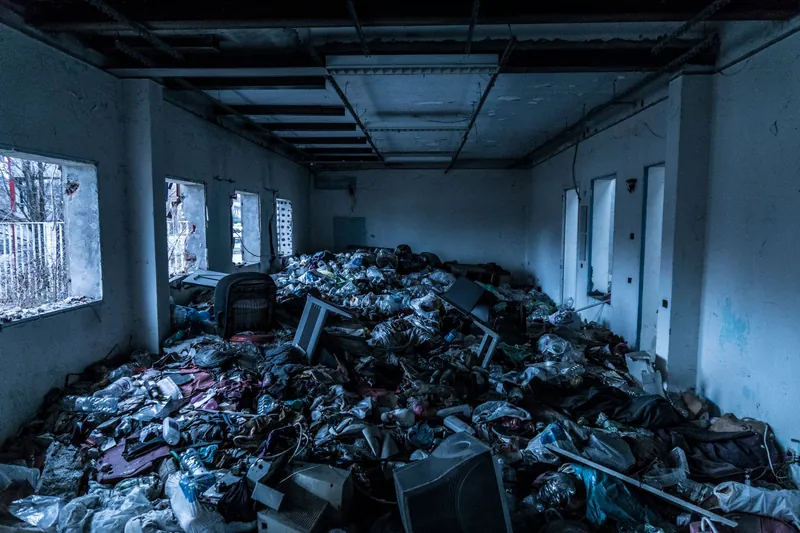
Hoarding Cleanup
Deep cleaning, respectful sorting and removal are all part of hoarding cleanup.
See hoarding cleanupClear built-up waste, remove contaminated materials and deep clean an unsafe home with a plan that protects important belongings and explains each stage.
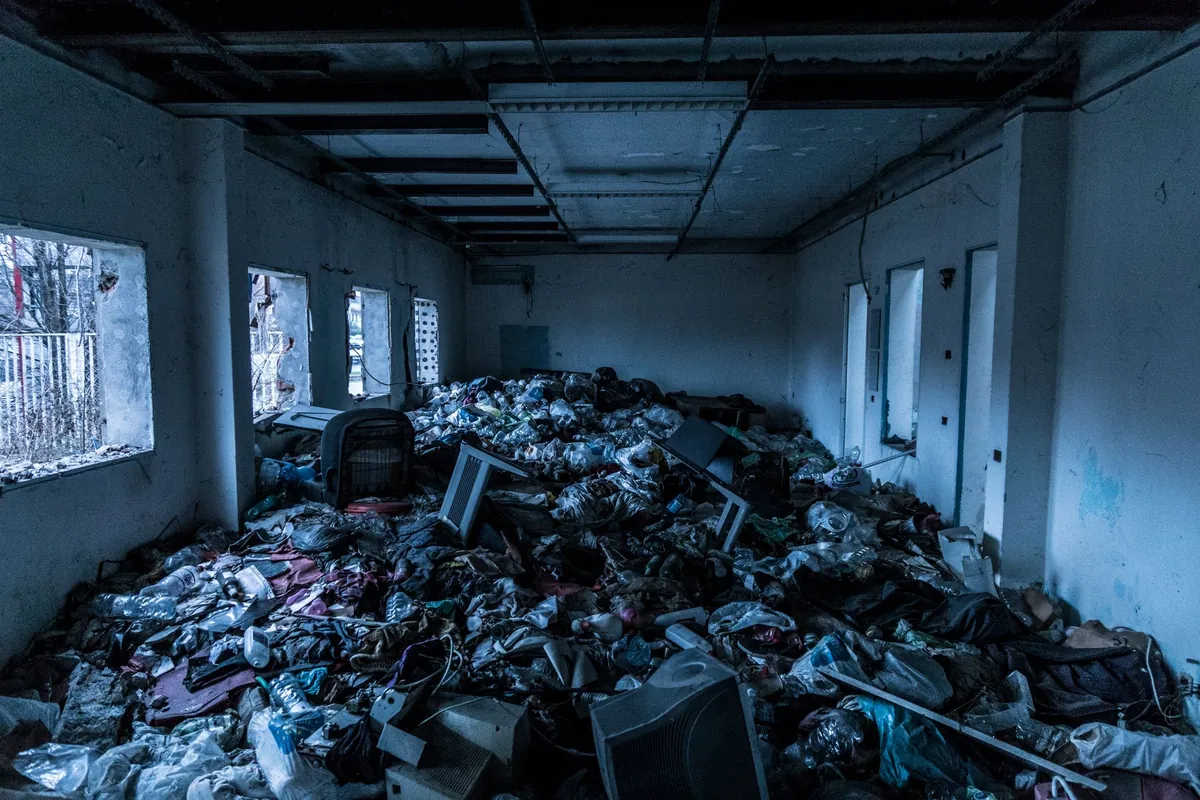
Filth and squalor cleanup removes accumulated trash, spoiled material and unsafe waste, then cleans and disinfects affected areas so the home can be used more safely.
Squalor is a description of the home and is not a judgment about its occupant. Property conditions may worsen during illness or grief, after mobility declines, because of pests or plumbing problems, or when regular cleaning stops for a long time. The work should center on present needs, clear actions and respect.
The work may include clearing floor paths, sorting personal property, removing discarded food and household waste, cleaning kitchens and bathrooms, and treating persistent odor. If technicians find urine, feces, blood, loose sharps, sewage or other contaminated materials, the cleaning process changes. The job may then require biohazard remediation, protective equipment, controlled work zones and the correct waste disposal path.
A full property cleanout and filth cleaning are not always identical. A home may hold few belongings you want to keep yet still have serious sanitation issues. Careful sorting may be necessary in some properties before reaching the surfaces below. Your decisions about belongings, plus the affected area and materials left behind, should guide the cleaning service scope.
To clarify what the cleanup involves, your plan lists deep cleaning, contents removal, disinfection, odor treatment and repairs as separate parts.
Crews use unmarked vehicles at the property. To limit unwanted attention, loading points and active work areas can be positioned thoughtfully.
Clear, blame-free explanations guide you through the cleanup. Room-level records support choices centered on safe conditions, sanitation and what you want for the property.
Containment, waste disposal and protective gear should reflect each hazard present, including loose sharps, bodily fluids, pests and spoiled material. The plan should clearly describe every cleanup step.
Filth cleanup may be appropriate when affected spaces cannot be reached or restored safely through normal housekeeping. Common examples include:
You may struggle to access or use appliances, counters and floors because of grease, spoiled food, pests or leaking bags.
After pets reach a safe place, food, feces, urine and damaged items may remain while odor has penetrated carpet, padding or subfloor.
Before someone comes home from medical care or time away, the property needs sanitation, functional rooms and clear walkways.
You may be unable to safely clean accumulated trash, food and bathroom residue after reduced mobility, a hospital stay or a health crisis.
Protect everyone nearby before making choices about the home. Waste should not be moved quickly while its hazards remain uncertain. If a fire, medical emergency or safety danger is active, call law enforcement or the applicable emergency response service before any cleanup work begins.
Call (888) 440-9227Published guides put the range for biohazard-level hoarding between $2,000 and $25,000 while hoarding conditions involving biohazards range between $3,000 and $20,000 in those guides. Yelp gives human waste cleanup an average of $400 to $1,500 for comparison. These are related planning figures because squalor scope varies with buildup, material damage, pest activity, waste types and odor treatment.
These national ranges are taken from published cost guides, rather than a property visit. You learn what your property will cost after the on-site assessment and before any work begins.
Ask about cost: (888) 440-9227Insurance may cover damage tied to a covered event, but routine neglect, accumulated waste and general cleaning are often treated differently. Insurance companies use your policy and the documented cause of damage to make that decision.
The lease, property condition and local requirements can affect who arranges access and payment. Someone with proper authority should confirm the plan before any tenant property is discarded.
An executor or another authorized representative should determine payment authority, scope approval and removal permission before anyone moves personal property.
Ask what cause of loss applies, what photos and records are required, which affected areas are included, and whether removal, sanitation and restoration are considered separate parts of the claim. Putting relevant records in order for the adjuster can be part of insurance assistance.
Check with the insurance company about whether a covered plumbing loss or another sudden event caused some damage. Unrelated cleaning work could receive separate consideration from the event.
Remediation is adapted to the situation while keeping a careful order. It begins with safety and sorting, then moves through removal and detailed cleaning before a final walkthrough. That flow separates dirty contents from areas that have already been cleaned.
Cleanup technicians assess the rooms they can enter and record affected areas, waste, pests, dampness, sharp objects, blocked routes and materials that may have to be removed.
Work zones and a clean exit path are established. Gloves, protective clothing, eye protection and respiratory protection are selected for the actual hazards present.
Important records, medicines, pictures, valuables and undecided possessions are isolated from trash and held for a decision by you or someone with authority.
Trash, spoiled materials and approved unwanted contents are bagged or contained. Workers prevent contaminated bags from crossing cleaned rooms and keep sharp objects separate from ordinary trash.
Carpet and pad, wallboard, cabinetry or subfloor might need removal if contamination has penetrated too far to clean completely.
Exposed hard materials are cleaned before disinfection begins. For required disinfection, the treated surface stays wet with an EPA-registered product for the complete contact time on the label.
Eliminate the smell's source before other treatment. Remaining odors and airborne particles may be reduced through air scrubbing, HEPA vacuuming and treatment of specific surfaces.
Your final inspection covers cleared rooms, kept belongings, removed materials and remaining restoration services such as pest control, drying, plumbing or construction. To help you move forward, workers explain what work remains.
Call at any time. A specialist in filth and squalor cleanup takes your call, explains each step and agrees on a start time with you.
Yes. Heavy buildup can pose serious health risks if it includes moisture, waste, sharp items or unstable contents, even when its outer surface appears dry.
Loss, health problems or diminished independence can be tied to difficult conditions at home. Gentle, clear explanations help you and your loved ones decide how to treat personal property.
Wall materials, timber, carpet and grout can absorb urine or feces. Wiping the exposed surface may leave smells and contamination within porous material.
Needles, broken glass, medication and leaking household chemicals can be hidden inside bags or under loose items. Before disposal, hazardous materials must be separated and matched to the correct waste path.
Can you clean it yourself? With gloves and the product label instructions, ordinary soil covering a small, stable non-porous area may be cleaned. Stop if you find human or animal waste, loose sharps, an unknown chemical, sewage, unstable piles or contamination that has soaked into porous materials.
Cleanable hard surfaces can often stay after detailed washing and disinfection. Porous items may need removal when waste, liquid or odor has soaked through them.
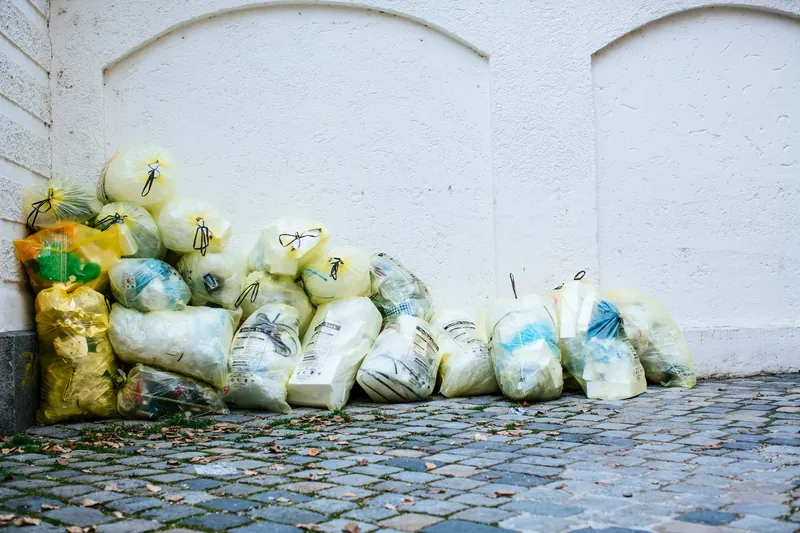
About a day may be enough for one small affected space, while several impacted rooms may require multiple days. A week or longer can be needed for whole-home squalor when contaminated materials require removal, belongings await decisions or access remains limited.
| Scene | Typical time on site |
|---|---|
| Limited accumulation within one accessible space | Often about one day |
| Several rooms requiring removal and deep cleaning | Often several days |
| An entire residence containing substantial waste or damaged materials | Could require at least a week |
Fragrance does not remove an odor source. Different odors can come from urine, old food, refuse, feces, wastewater, wet carpet or pest debris. Air treatment makes a lasting difference only after bags, damaged belongings and absorbent materials have been cleaned or taken away.
After source removal, exposed surfaces are cleaned and disinfected where needed. HEPA vacuuming and air scrubbers can reduce airborne particles. Odor in carpet pad, cabinets, wall cavities or subfloor may point to contamination that is still left behind. Those materials need inspection before the room is closed or repairs begin.
The full filth and squalor cleanup guide covers what is cleaned or removed, odor and air quality work, and the rules that apply in Allen County.
Read the full filth and squalor cleanup guideContainment, entry and cleanup plans can be influenced by local housing, population and access details.
A listed distance of 2.1 miles to St Joseph Health System gives a practical medical reference when someone has contacted blood or waste.
Nearby communities include Lincoln Park, st-marys-mobile-home-park, and North Highhlands, useful geographic references when explaining a property location to a cleanup crew.
The Allen County location helps orient travel, while the neighborhood and full address identify where private cleanup work actually occurs.
During your call, ask whether cleanup is available in surrounding communities and ZIP codes.
Deep cleaning, respectful sorting and removal are all part of hoarding cleanup.
See hoarding cleanup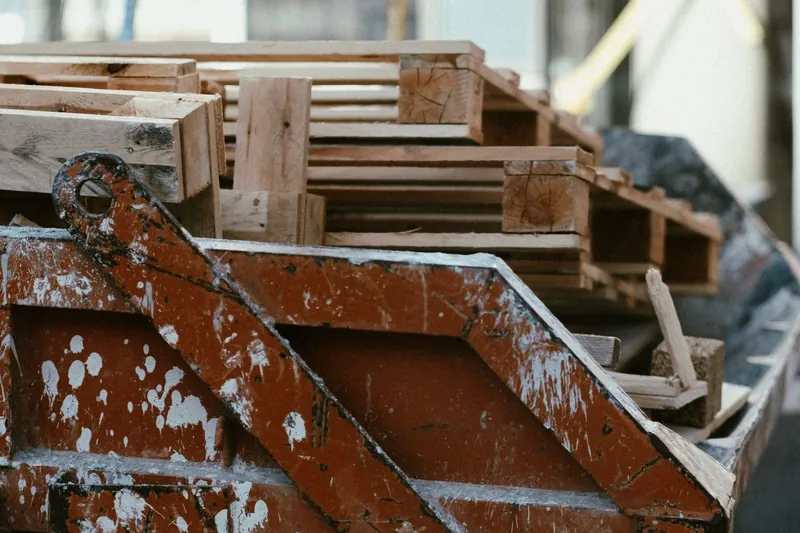
Hoarder house cleanout from the first room to the last, with trash hauled away.
See hoarder house cleanout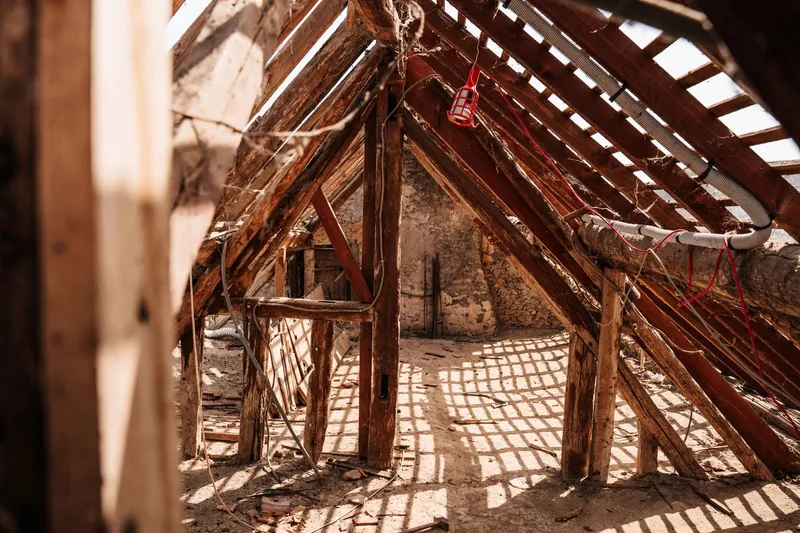
Animal hoarding cleanup addresses waste, urine-soaked materials and odors caused by ammonia.
See animal hoarding cleanup
Disinfection accompanies human feces cleanup in public restrooms, homes and rental properties.
See human feces cleanup
Urine cleanup and odor removal address furniture, floors and subfloors.
See urine cleanup
Any property receives disinfection after removal of infectious materials, including bodily fluids and blood.
See biohazard cleanup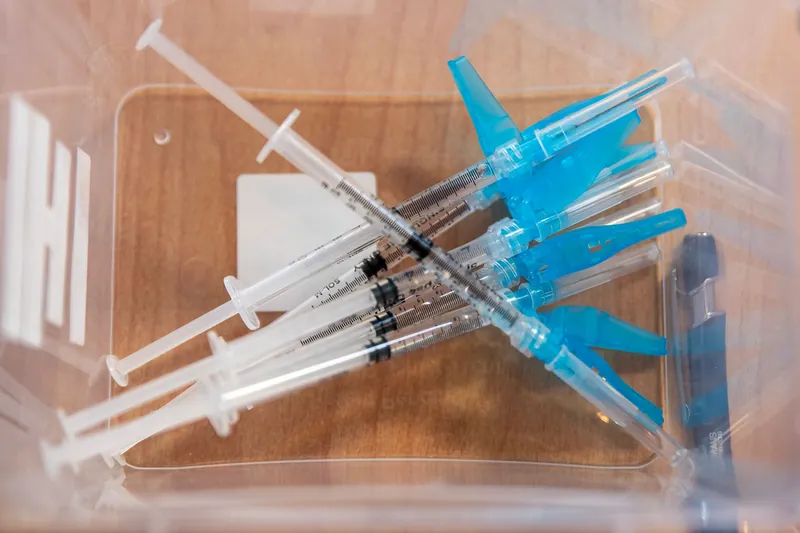
Yards, encampments, parks and rental properties receive needle and sharps cleanup.
See needle and sharps cleanup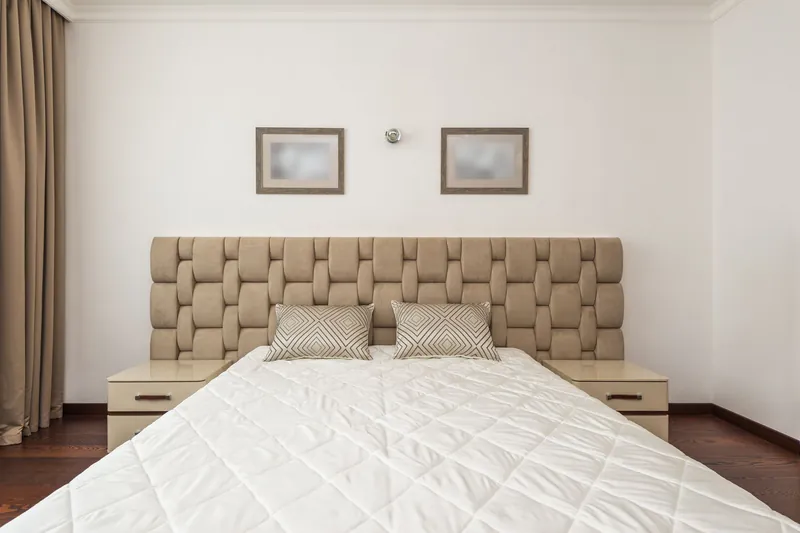
Biohazard cleanup addresses Airbnb accommodations, hotels and other rental units.
See hotel, airbnb and rental biohazard cleanupSqualor means that conditions within a property are unsanitary. Hoarding concerns trouble parting with property and does not always involve serious filth. A property may be crowded yet clean, or it may hold little furniture while waste and residue make it unsafe. Base the cleanup scope on existing conditions, not on a general label.
Cleaning may require about a day for one reachable room with modest accumulation. Expect several days for multiple rooms and possibly a week or longer when conditions extend heavily throughout the home. Sorting decisions, blocked access, pests, contaminated porous materials, odor sources, plumbing problems and repair needs can extend the cleaning process.
The answer varies based on the hazards found and the rooms involved. Keep yourself, children and animals outside every active work space. A temporary move may make sense when waste is extensive, exit routes are obstructed, the home's only kitchen or bathroom cannot be used, or treatments reach living areas.
Filth and squalor cleanup removes built-up garbage before thoroughly cleaning a residence affected by unsafe sanitation. It can include sorting personal property, removing spoiled material, cleaning hard surfaces, disinfecting affected areas, treating odor and removing porous materials that cannot be safely cleaned.
Insurance coverage varies with the loss cause and the specific policy. Damage tied to a covered abrupt event can receive different treatment from general cleaning and long-standing accumulation. Find out from the insurance company which loss cause applies, what documents are needed and whether sanitation, removal and repairs are separate claim parts.
Published guides for related services list human waste cleanup at $400 to $1,500; hoarding with biohazards at $3,000 to $20,000; and biohazard-level hoarding at $2,000 to $25,000 in those guides. The amounts are planning ranges. Your final cleanup scope reflects the buildup, type of waste, affected materials, pest conditions, access and odor needs.
You can request respectful, discreet filth and squalor cleanup 24 hours a day, and crews use unmarked vehicles.